
Can a brand designer be also a product designer?
15/12/2025
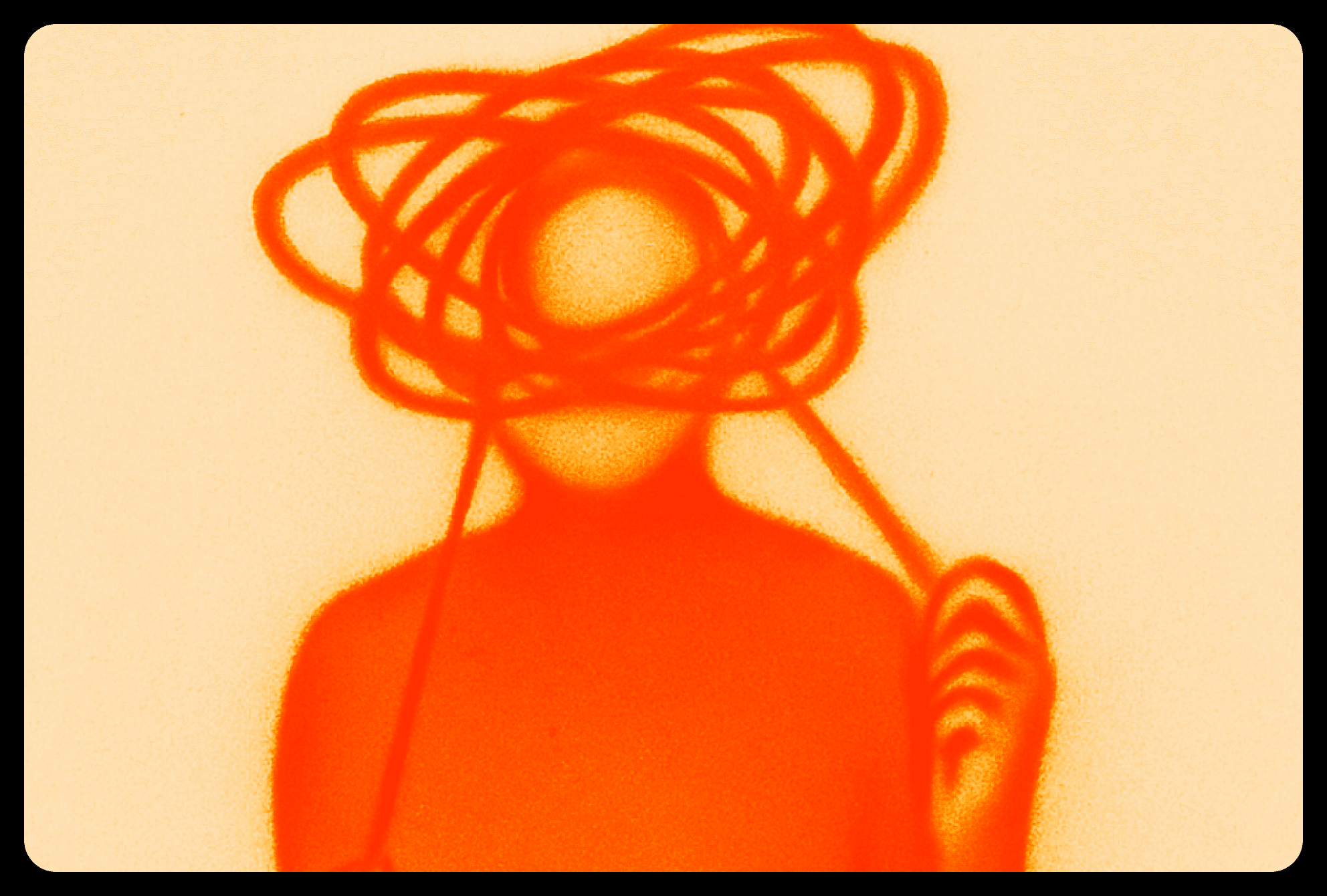
For years, the design world has drawn clear lines between disciplines. Brand designers focus on identity, storytelling, and visual systems. Product designers handle user experience, interface flows, and digital functionality. But as technology evolves and the way people interact with brands shifts, these boundaries are dissolving. The question isn't whether a brand designer can become a product designer or the other way around. The real question is: why wouldn't they? Multidisciplinary designers are the future. As digital tools become more accessible and brand touchpoints multiply across platforms, the designer who understands both identity and interaction has a massive advantage. Being able to shape a brand's visual language and then apply it seamlessly across iOS apps, web platforms, and digital products creates consistency that clients desperately need. These designers don't just hand off style guides and hope someone else interprets them correctly. They build the full experience themselves, ensuring that the brand feels cohesive from logo to login screen. The overlap between brand design and product design is larger than most people think. Both require a deep understanding of the user, clear communication hierarchies, strategic thinking, and visual problem solving. Brand designers craft narratives and emotional connections. Product designers translate those narratives into functional, usable interfaces. When one person holds both skill sets, the translation becomes direct and powerful. There is no gap between strategy and execution, no lost meaning in the handoff. Technology is pushing this shift forward. Tools like Figma, Framer, and Webflow allow designers to move fluidly between identity work and interface design. AI powered workflows are speeding up production and reducing the technical barriers that once separated disciplines. Designers who embrace this evolution can offer clients end to end solutions, from defining brand positioning to designing the app that delivers on that promise. This integrated approach leads to stronger brands and better digital products. Being curious about what's out there is essential. As an all around designer myself, I've found that staying open to different areas of design has made my work sharper and more valuable. I started in branding, identity systems, and visual storytelling. But as I explored product design, especially iOS apps and web applications, I realized how naturally these disciplines complement each other. The brand guidelines I create now inform every button, every transition, and every micro interaction in the products I design. The feedback loop works both ways: building digital products has taught me what brand systems actually need to flex and scale in real use. Offering both brand design and product design isn't about diluting your expertise. It's about recognizing that modern brands live primarily in digital spaces, and those spaces need designers who understand both how a brand should feel and how a product should function. When you can do both, you become indispensable. You can pitch complete solutions instead of partial ones. Clients get cohesive experiences, and you get more creative control over the final result.[1][3] The best work happens when disciplines inform each other. Brand design without product thinking can feel beautiful but disconnected from how people actually interact with a business. Product design without brand thinking can function perfectly but feel soulless and generic. The sweet spot is where identity and interaction merge, where the story and the experience are inseparable. That's where multidisciplinary designers thrive. This doesn't mean every designer needs to master every discipline. Collaboration still matters, and deep specialists will always have a place. But the future favors designers who are willing to stretch, learn adjacent skills, and connect dots across traditionally separate fields. Multidisciplinary teams work best when individuals bring broad understanding, not just narrow expertise. If you're a brand designer wondering whether to learn product design, or a product designer curious about brand strategy, the answer is yes. Start small. Explore the tools. Take on projects that push you outside your comfort zone. Notice how branding decisions affect user experience and how UX constraints shape brand expression. Over time, you'll build a skill set that makes you more adaptable, more creative, and more valuable in a rapidly changing industry. The evolution of design isn't about choosing between brand and product. It's about integrating them into a unified practice that serves the whole experience. As technology continues to evolve, the designers who adapt, stay curious, and embrace multidisciplinary work will lead the industry forward. That's the future, and it's already here.
Read more:
Get out and see the world
The design approach of "curveballs"
Can a brand designer be also a product designer?

Do not listen to opinions.
How design philosophies betters your design.
Why branding guidelines are dated
Finding your inspiration
The visual identity crisis
The goal is not to change the world
The fine art of correction