
Get out and see the world
04/01/2026
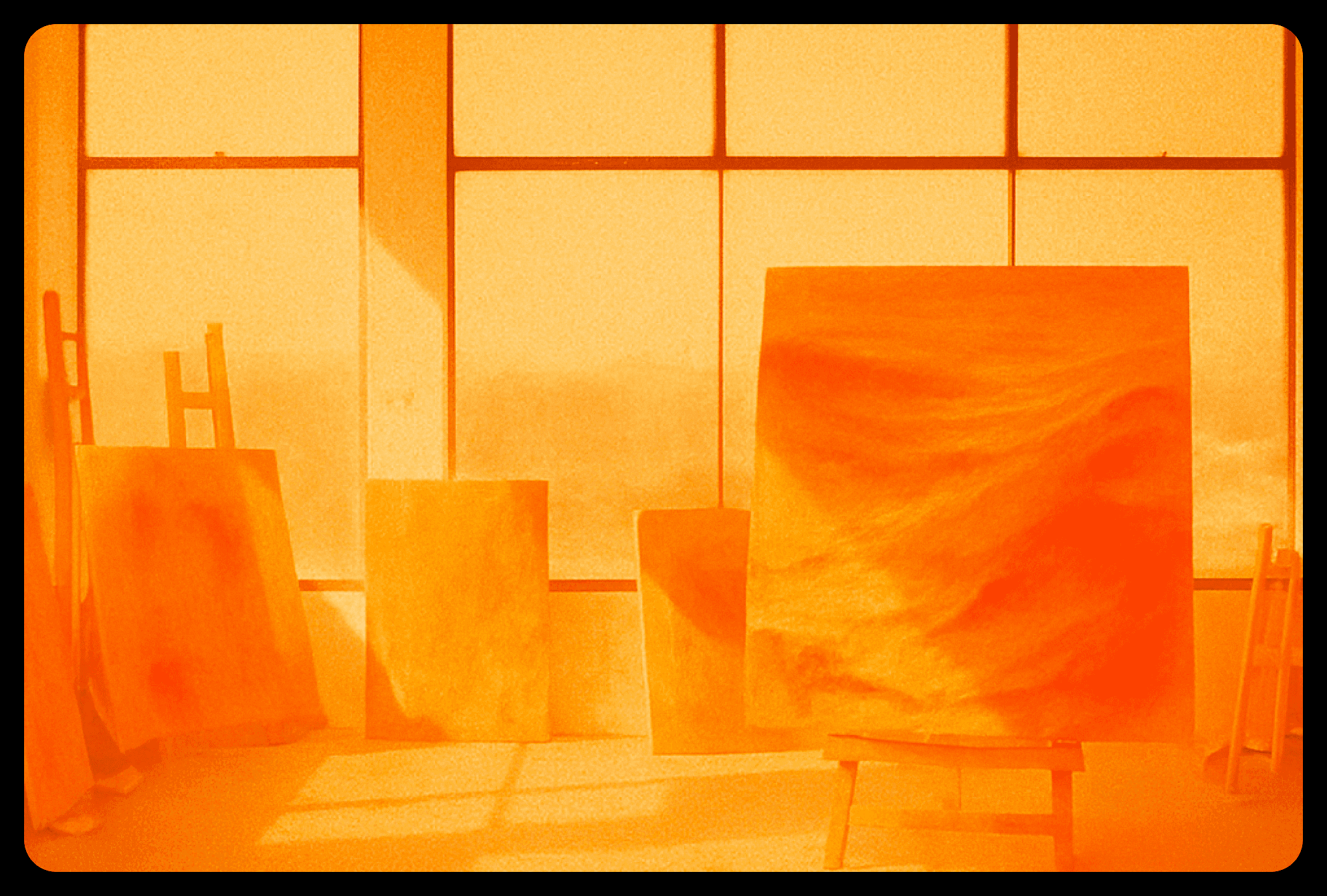
Too many designers and creatives spend their days scrolling through feeds, consuming the same recycled ideas, chasing trends that will be forgotten in six months, and wondering why their work feels derivative. The problem isn't a lack of inspiration online. The problem is that most of what you see there is shallow, filtered through algorithms, and optimized for engagement rather than depth. Real creative fuel comes from getting out into the world, standing in front of actual art, walking through unfamiliar streets, and letting your senses absorb what screens can never deliver. Travel changes how you see and what you create. When you visit a museum, watch a film in a cinema, explore a city's architecture, or study how light falls on a building at a certain hour, you gather something that no Pinterest board or Instagram carousel can replicate. You experience scale, texture, atmosphere, and context. You see how color shifts in natural light versus artificial glow. You notice patterns in how people move through spaces, how signage guides attention, how cultural details shape visual language. These observations don't just inspire surface aesthetics; they inform how you think about design problems entirely. Designers who travel with intention return with richer work. They reference details others miss because they've actually seen them in person, touched materials, walked the spaces, felt the mood. Architecture photography becomes more compelling when the photographer understands how a structure integrates with its environment and tells a story beyond its facade. Brand identity becomes more authentic when the designer has absorbed visual culture from multiple places, not just copied what's trending on design platforms. The best creative minds have always traveled to stay inspired. Leading designers consistently cite trips to specific cities, museums, and cultural sites as turning points in their practice. Walking through Bagan's ancient temples, exploring Ljubljana's architecture, visiting Rabat's markets, or studying Dubai's modern structures shifts perspective and opens new visual languages that feed into future projects. These experiences create a personal library of references that can't be copied because they're rooted in lived moments, not downloaded templates. Cinema offers another dimension of inspiration that scrolling can't touch. Watching films in theaters, paying attention to cinematography, color grading, composition, and pacing teaches you how to control emotion and build narrative visually. Directors use light, framing, and movement to guide viewers through stories in ways that directly translate to how designers guide users through experiences. But you have to watch with intention, not just consume content passively while multitasking on your phone. Photography museums and galleries show you what happens when someone masters both technical craft and artistic vision. Standing in front of large format prints reveals details you'd never catch on a screen. You see how photographers compose scenes, balance elements, use negative space, and create mood through subtle choices. Architecture photography especially teaches how to capture structure, context, and emotion simultaneously, skills that apply directly to visual identity work and spatial design thinking. The problem with scrolling is that it creates the illusion of inspiration while actually narrowing your perspective. Algorithms feed you more of what you've already seen. AI generated design floods platforms with polished mediocrity. Trends cycle so fast that depth gets sacrificed for novelty. You end up referencing references of references, layers removed from anything original or meaningful. Breaking this cycle means making travel and real world exploration a priority, not a luxury. You don't need expensive international trips to gather inspiration. Visit local museums, explore neighborhoods you've never walked through, attend film festivals, go to gallery openings, study how shops and restaurants use visual identity in physical spaces. Collect actual materials: fabric swatches, paper samples, found objects that catch your eye. Build a physical archive of things that move you, not just a folder of saved images. When you do travel, approach it with a designer's eye. Photograph details, not just landmarks. Notice typography on street signs, color palettes in markets, how different cultures organize information visually. Study how historic and modern architecture coexist. Watch how light changes throughout the day and how that affects perception of space and color. These observations become the raw material that makes your work distinct and grounded in something real. The designers whose work stands out are almost always those who live curiously, who travel often, who consume culture beyond their screens. They understand that creativity needs diverse input, not just more of the same digital noise. They invest time and resources into experiences that broaden their perspective and deepen their visual vocabulary. That investment shows in work that feels original, thoughtful, and rooted in genuine exploration. If your work feels flat or your inspiration feels stale, the solution isn't scrolling harder or finding better design blogs. The solution is closing your laptop and going somewhere. Visit an art museum, watch a classic film, walk through a part of your city you've never explored, book a trip to a place that scares you a little. Get out there and see what the world actually looks like when you're present in it. That's where real creative energy lives, and that's what will separate your work from everyone else still stuck scrolling.
Read more:
Get out and see the world
The design approach of "curveballs"
Can a brand designer be also a product designer?

Do not listen to opinions.
How design philosophies betters your design.
Why branding guidelines are dated
Finding your inspiration
The visual identity crisis

The goal is not to change the world
The fine art of correction